Federal Mandatory Sentencing: A Historical Overview
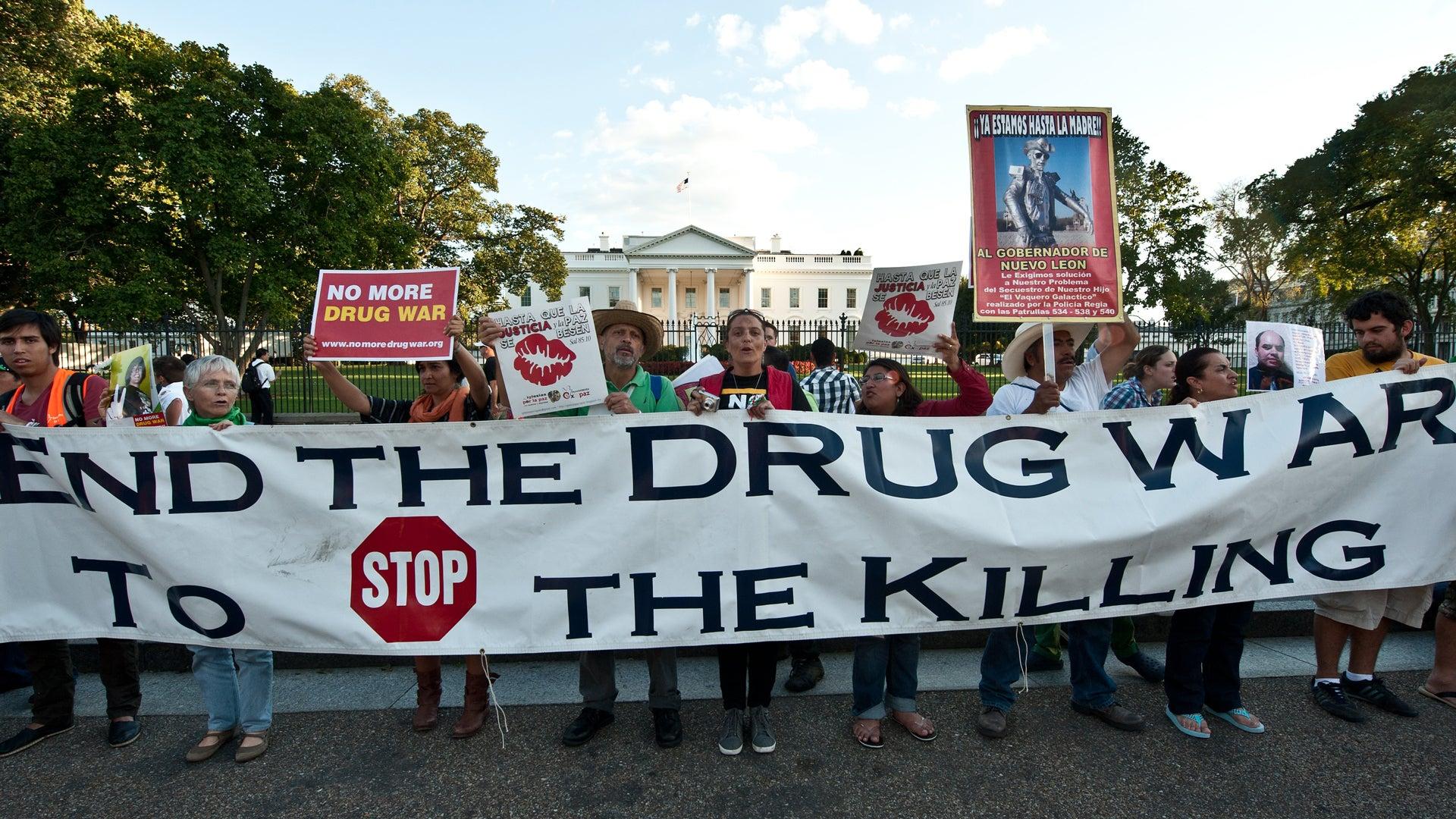
The landscape of the United States judicial system was significantly altered in 1986 with the advent of mandatory sentencing laws. These laws, introduced under the Reagan Administration, marked a pivotal shift in the War on Drugs, intending to standardize punishment and deter crime. The impact of these laws has pervasively shaped the legal outcomes for individuals involved in drug-related offenses as well as violent crimes, including sex trafficking and murder.
Understanding the Minimums
The stipulations for mandatory sentences are explicit: a minimum of five years incarceration for first offenses relating to the manufacture, distribution, or possession with intent to distribute drugs where no death or serious injury occurs. Similarly, a five-year mandatory sentence is applied for first offenses involving the unlawful import or export of controlled substances under the same conditions.
State-Level Reforms to Mandatory Sentencing
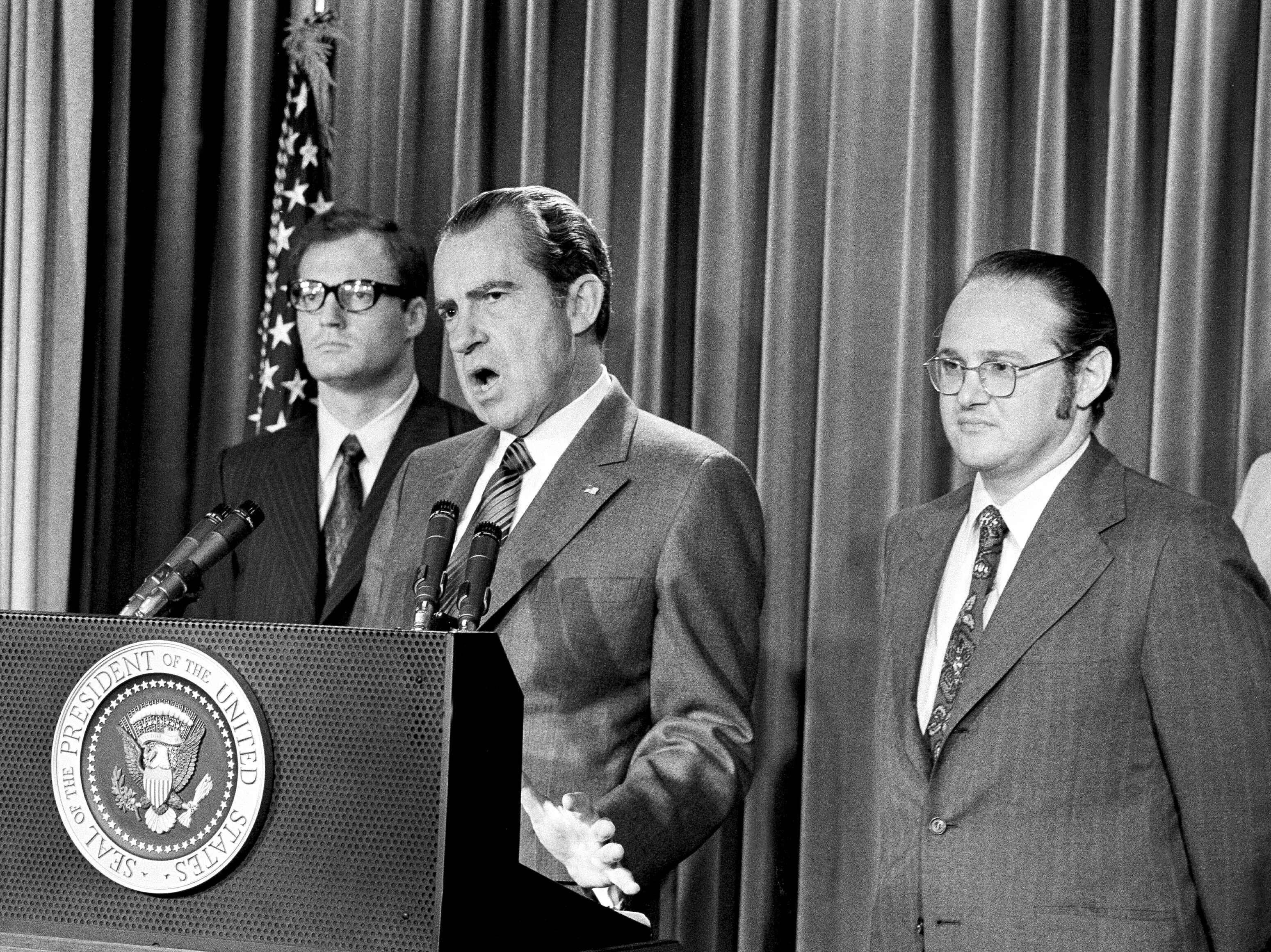
Nineteen states have moved to repeal or reduce the severity of mandatory sentencing laws. Most of these reforms focus on drug offenses with some addressing sex offenses and murder. This wave of reform reflects a growing awareness of the need for more proportionate and fair sentencing laws and includes states such as California, New York, and Pennsylvania.
Racial Disparities in Statutory Sentencing
Life Sentences Without Parole
A troubling consequence of mandatory sentencing laws is their disproportionate impact on Black offenders. An estimated 66% of prisoners serving life without parole (LWOP) for nonviolent offenses are Black, contrasted with 18% White and 16% Latino. In Louisiana, a staggering 92% of prisoners serving LWOP for nonviolent offenses are Black. Furthermore, a Black offender is 20 times more likely to receive LWOP in the federal system than a white offender.
Juvenile Offenders and Racial Inequity

The racial inequity extends to juvenile offenders. Nationally, Black and Latino children make up 77% of those sentenced to LWOP, with Black youths facing such sentences ten times more frequently than their white peers.
The Intersection of Travel, Rehabilitation, and Hope
The implications of criminal justice reform extend beyond the courtroom and into the broader fabric of society. As incarcerated individuals re-enter the community, a pathway to rehabilitation can be fostered through opportunities for travel and engagement with different cultures and environments. This exposure can serve as a powerful tool in social reintegration, providing a broader perspective on life and facilitating personal growth. Travel serves not just as a means of escape but as a form of education and a step towards a new beginning.
London
- Hotels With Private Balconies London
- Hotels Near Victoria Train Station London
- Cheap Hotels West London
- London Hotels For 3 Adults
- Cheap Hotels In North London
- Best Hotels In Westminster London
- Hotels Stratford East London
- Hotels In West End London
- O2 London Hotels Cheap
- Boutique Hotels West London
- Hotels With Parking In London
- Cheap Hotels Near Marble Arch London
- Hotels Near Abba Voyage Arena London
- Cheap Hotels Near West End London
Dublin
- Hotels In Temple Bar Dublin
- Cheap Hotels In Dublin Ireland
- Cheap Hotels Near 3 Arena Dublin
- Hotels Near Rds Arena Dublin
- Dublin Family Hotels With Swimming Pool
- Pet Friendly Hotels In Dublin
- Dublin Port Hotels
Manchester
- Manchester Airport T2 Hotels
- Family Friendly Hotels In Manchester
- Hotels Near Piccadilly Manchester
- Manchester Airport Hotels With Parking Included
Sheffield
Windsor
Brighton
- Hotels In Brighton With Swimming Pool And Spa
- Hotels Near Brighton Centre
- Hotels Near Brighton Train Station
Edinburgh
Liverpool
Glasgow
- Hotels Near Glasgow City Centre
- Glasgow Train Station Hotels
- Cheap Hotels In Glasgow City Centre-Deals